

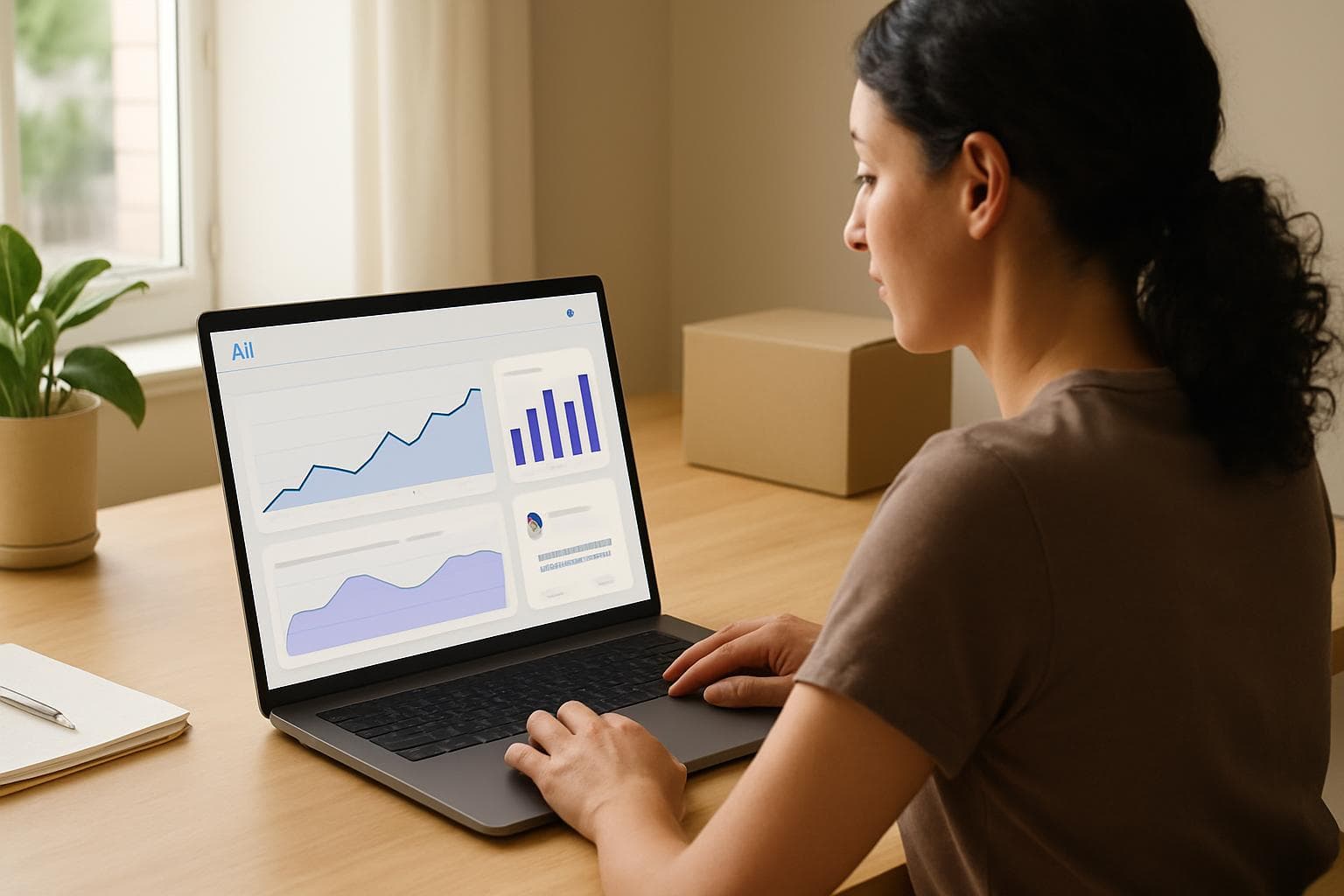
Why Conversion Rate Matters More Than Ever in 2026
Shopify stores face fierce competition and rising ad costs. Getting more visitors to buy, rather than just browse, is crucial for profitability. A higher conversion rate means more revenue from your existing traffic, helping you grow without spending more on ads or marketing.
Conversion rate = (Purchases ÷ Store visitors) × 100
Average Shopify conversion rates range from 1.5–3.5%—small improvements make a big difference
Optimize Every Product Page for Maximum Impact
Your product page is where most buying decisions happen. Make every detail count to build trust and drive clicks on the 'Add to Cart' button.
Use professional, consistent images with zoom-in features. Write product descriptions that focus on benefits, not just features, and answer common buyer questions right on the page.
Show multiple angles and lifestyle images
Use clear, bold pricing and urgent calls to action
Display customer reviews and trust badges for social proof
Speed Up Your Shop: The Silent Conversion Killer
Slow-loading Shopify stores lose shoppers in seconds—in 2026, instant gratification rules. Studies show every extra second of load time can reduce conversion rates by up to 20%. Regularly test your site’s load speed and optimize images, apps, and scripts.
Tools like Google PageSpeed Insights or Shopify’s built-in analyser can help pinpoint issues.
Compress product photos and use lazy loading
Limit the use of heavy third-party apps
Utilize a fast, modern Shopify theme
Winning on Mobile: Where Most Shopify Sales Happen
By 2026, the majority of Shopify traffic and sales occur on smartphones. Your store must be lightning-fast and visually flawless on all devices. Ensure buttons are thumb-friendly, navigation is simple, and checkout fields are easy to tap.
Stick to single-column layouts on mobile
Make your add-to-cart and checkout buttons fixed and easy to reach
Optimize pop-ups to avoid blocking content on small screens
Build Trust with Signals That Reassure
Shoppers worry about scams and security. Add trust-building elements across your store to boost credibility. Show security badges, clear shipping and returns information, and display third-party review widgets where possible.
Be transparent and human—let buyers know who is behind your store.
Include SSL/security badges near checkout
Feature real customer testimonials and ratings
Show case studies or press mentions if available
Streamline the Checkout Experience
A complicated checkout is a top conversion killer. Offer a guest checkout option, minimize steps, and reduce form fields. Every additional page or question increases cart abandonment.
Support a wide range of payment options, including PayPal, Apple Pay, and popular regional wallets.
Autofill address fields using browser tools
Progress indicators help shoppers track where they are
Add live chat or FAQ links in case buyers have last-minute questions
Leverage Social Proof: Reviews and User-Generated Content
Shoppers trust real customers far more than brand copy. Prominently display product reviews, star ratings, and pictures from buyers. Invite reviews post-purchase and consider incentives.
Embed social media posts or hashtags for added engagement.
Use apps like Judge.me or Yotpo for reviews
Curate an Instagram feed showing actual customers using your products
Increase Average Order Value with Upselling and Cross-Selling
Maximize every purchase by recommending complementary products on the cart page or in post-purchase emails. Upsells are higher-value alternatives; cross-sells are related extras.
Keep recommendations relevant, not pushy—use Shopify apps that personalize suggestions based on shopping behavior.
Show 'Customers also bought' or 'You may also like' sections
Bundle deals or volume discounts for larger orders
Recover Lost Sales with Abandoned Cart Tools
Over 60% of Shopify carts are abandoned. Automated recovery emails are your best chance to win back those potential buyers.
Set up a series of friendly, well-timed reminders that highlight product value, answer common hurdles, and maybe include a limited-time offer.
Personalize emails to reference exact products left in the cart
Add social proof or free shipping offers in recovery sequences
Personalized Recommendations: Going Beyond One-Size-Fits-All
Shoppers in 2026 expect tailored experiences. Use data—like browsing history and past orders—to suggest products they’re likely to love. Shopify’s built-in analytics or apps like ReConvert can help trigger dynamic, contextual recommendations.
Personalization keeps buyers engaged and increases average spend.
Display 'Recommended for You' sections based on past views
Send personalized follow-up emails with curated picks
Common Shopify Conversion Mistakes to Avoid
Even well-meaning store owners make errors that drive conversion rates down. Watch out for these pitfalls:
Unclear value propositions or weak product descriptions
Cluttered layouts, especially on mobile
Forcing account creation before checkout
Hiding shipping costs until late in checkout
Overloading pages with pop-ups or slow-loading apps
Turn Your Shopify Store Into a High-Converting Success
Increasing your Shopify conversion rate in 2026 is achievable—focus on clear product pages, lightning speed, mobile usability, authentic trust signals, an intuitive checkout, and automations for reviews, upsells, and recovery. Small tweaks can produce meaningful results. Stay data-driven, test new ideas, and always keep the buying journey easy and trustworthy.
For more practical guides, check out our articles on [Shopify SEO essentials](/shopify-seo-2026), [best Shopify apps](/best-shopify-apps), and [boosting store traffic](/increase-shopify-traffic).