

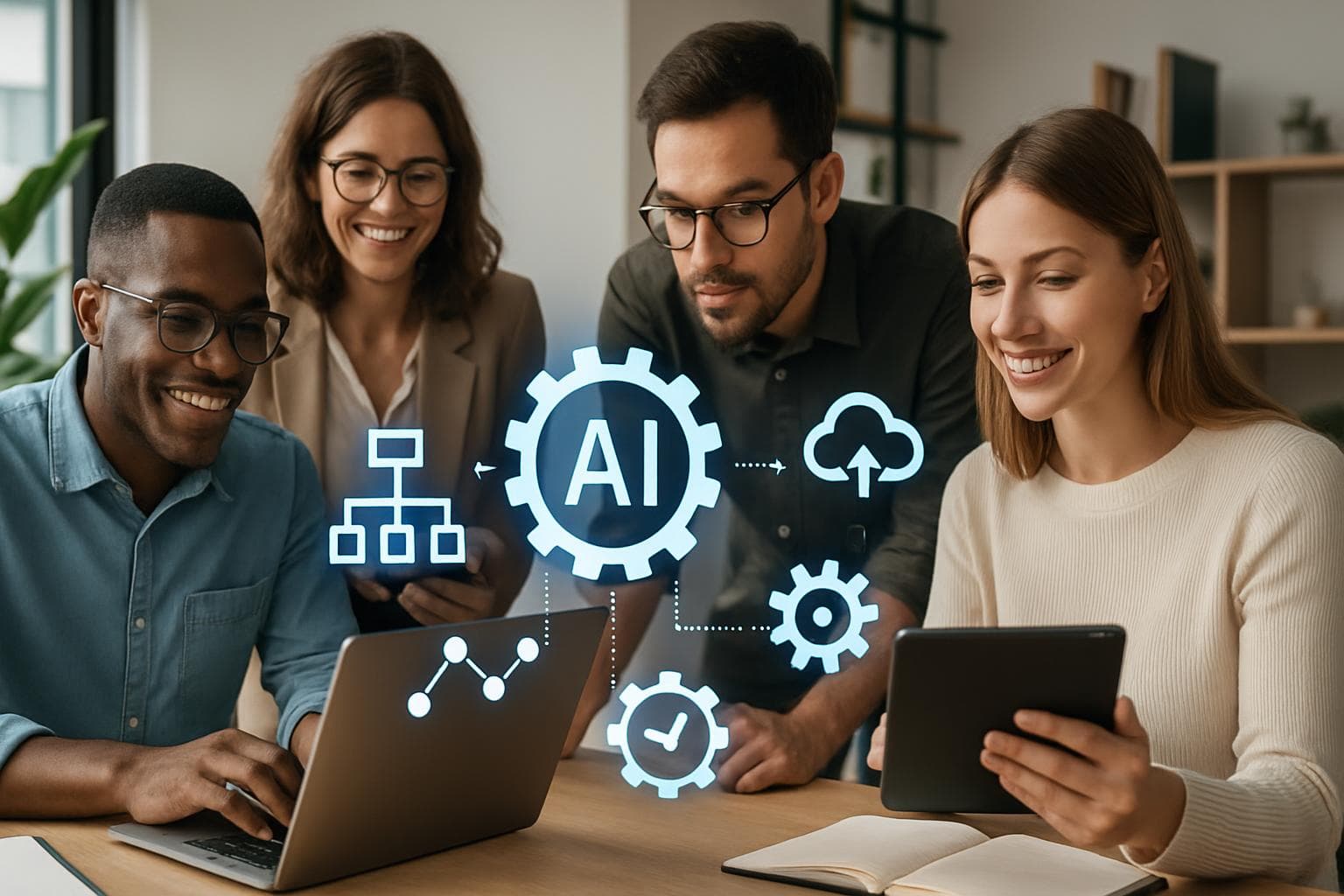
AI-Powered Targeted Marketing
AI can help small businesses refine their marketing strategies by analyzing large sets of customer data, predicting behavior, and segmenting audiences more effectively. With AI-powered tools, businesses in 2026 will be able to create personalized campaigns that speak directly to individual customer needs, maximizing the return on ad spend.
Identify profitable customer segments automatically
Optimize timing and channels for messages
Adjust offers in real time based on engagement
Automated Customer Service with Chatbots
AI-driven chatbots are becoming more advanced, offering natural conversations and immediate resolutions to common customer inquiries. By 2026, small businesses can implement customizable bots that handle frequently asked questions, accept bookings, and direct complex requests to humans, improving responsiveness without inflating staffing costs.
Personalized Product Recommendations
Recommender systems, similar to those used by large retailers, are increasingly accessible to small businesses. These systems analyze customer purchases and browsing habits to suggest relevant products, increasing up-sell and cross-sell opportunities in e-commerce and brick-and-mortar settings.
Inventory Management and Demand Forecasting
AI-driven platforms can automatically track stock levels, predict demand shifts, and reorder products at optimal times. This minimizes the risk of overstocking or stockouts and saves time on manual tracking.
Automated low-stock alerts
Anticipate sales trends based on historical and seasonal data
Smart Scheduling and Workforce Management
Scheduling software enhanced with AI can create efficient staff rosters by evaluating past foot traffic, sales patterns, and even local events. This ensures you have the right number of staff on hand while minimizing labor costs.
Automated Bookkeeping and Financial Forecasting
AI-powered accounting tools categorize expenses, generate reports, and track cash flow in real-time. Predictive algorithms can forecast revenue, highlight potential shortfalls, and alert business owners before major issues arise.
Fraud Detection and Security
Small businesses will increasingly rely on AI to monitor transactions, detect anomalies, and identify fraudulent activities quickly, previously only affordable for large enterprises. This helps protect sensitive financial and customer data.
Automated Content Creation
AI solutions can draft emails, product descriptions, blog posts, and even social media updates, freeing up valuable human hours. Review and final editing by a person still ensures brand voice and accuracy.
Predictive Analytics for Better Decision Making
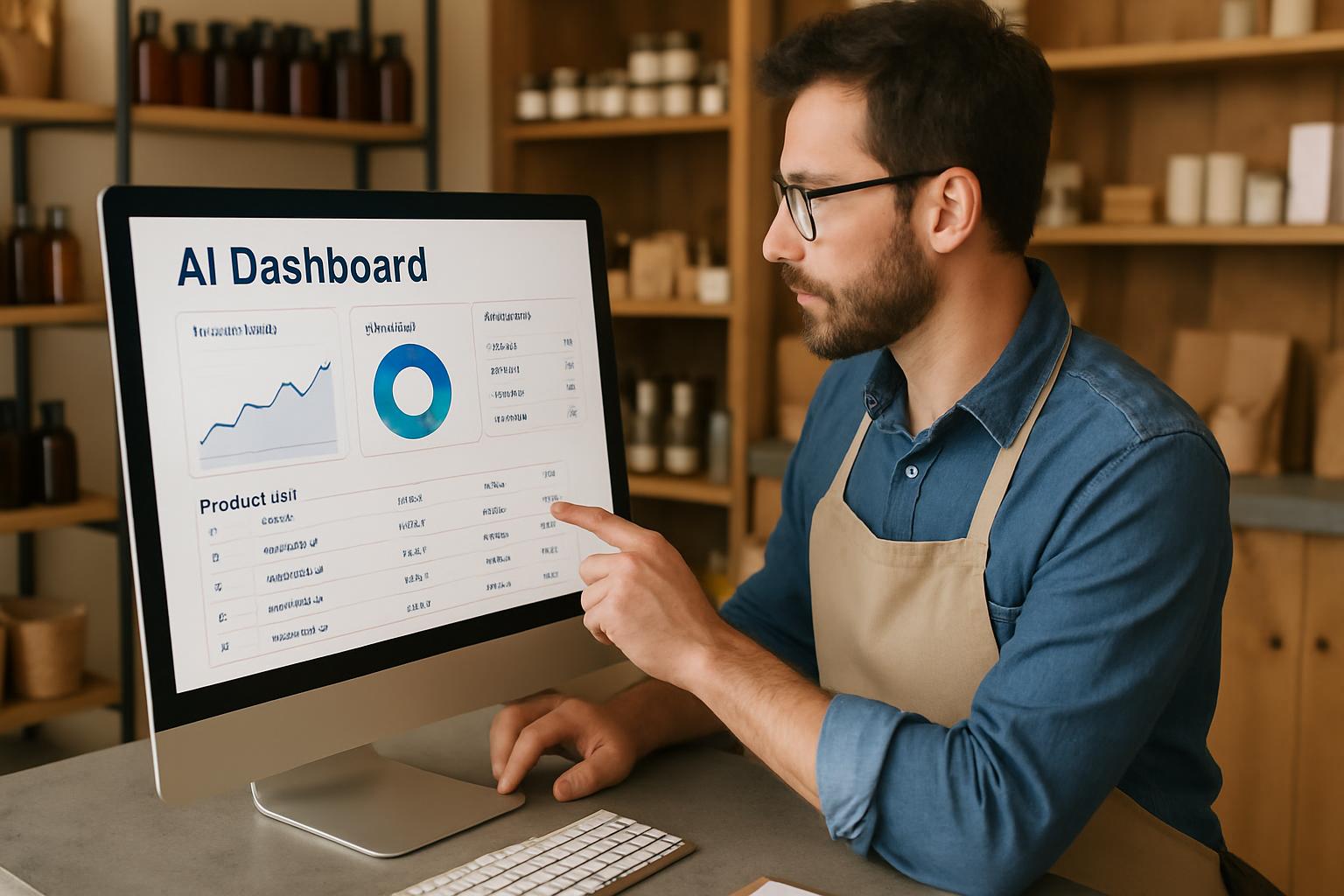
By 2026, user-friendly dashboards will harness AI to provide actionable insights from sales, web traffic, and customer feedback data. These tools make it easier for small business owners to make data-informed decisions daily.
Enhanced Online Security and Privacy
AI-driven cybersecurity measures can actively monitor for hacking attempts and suspicious behavior, automatically intervening to block or mitigate threats. This level of security has become both affordable and essential for smaller firms.